How to Take Care of Rattan Garden Furniture and Extend Its Lifespan
Rattan garden furniture has become a staple in outdoor living spaces across the UK. Stylish, durable, and versatile, it brings a relaxed yet sophisticated feel to patios, conservatories, balconies, and garden seating areas. Whether you own a compact bistro set or a full outdoor dining suite, proper care is essential if you want your rattan furniture to stay looking its best year after year.
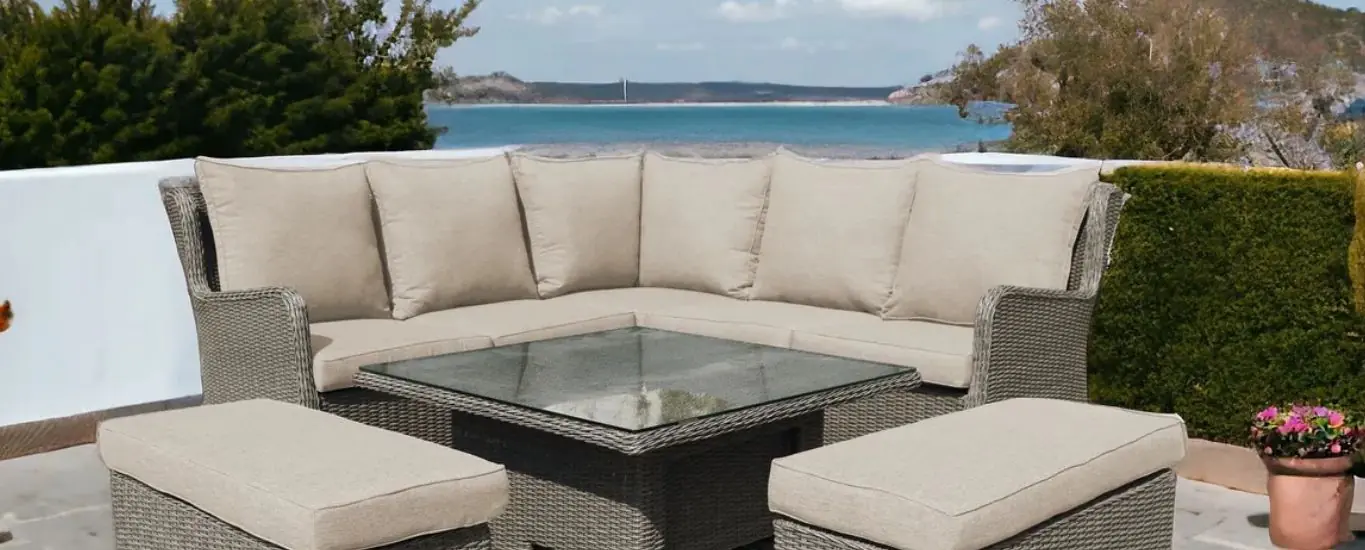
While modern synthetic rattan furniture is designed to withstand outdoor conditions, exposure to rain, frost, UV rays, dirt, and moisture can gradually reduce its appearance and longevity without regular maintenance. The good news is that with a few simple cleaning routines and protective measures, you can significantly extend the lifespan of your rattan garden furniture and keep it looking almost new for many seasons to come.
Understanding the Difference Between Natural and Synthetic Rattan
Before diving into maintenance tips, it’s important to understand the type of rattan furniture you own.
Natural Rattan
Natural rattan is made from woven plant fibres and is primarily intended for indoor use or covered outdoor spaces such as conservatories. It is lightweight and attractive but vulnerable to moisture, direct sunlight, and temperature changes.
Synthetic Rattan
Most modern garden furniture uses synthetic rattan, also known as PE rattan or resin wicker. This material is designed specifically for outdoor use and is far more weather-resistant than natural rattan. Synthetic rattan can withstand rain, UV exposure, and varying temperatures while maintaining its colour and structure.
Even though synthetic rattan is low maintenance, it still benefits greatly from routine care and protection.
Why Proper Rattan Furniture Maintenance Matters
Garden furniture is exposed to harsh outdoor conditions throughout the year. Without proper maintenance, you may start to notice:
- Fading caused by UV exposure
- Dirt and algae build-up
- Cracks or brittleness in the weave
- Rust forming on metal frames
- Mould or mildew on cushions
- Structural weakening over time
Regular cleaning and seasonal care not only improve appearance but also protect your investment. High-quality rattan furniture can last well over a decade when properly maintained.
How to Clean Rattan Garden Furniture Properly
One of the simplest ways to extend the lifespan of your furniture is by keeping it clean.
Step 1: Remove Loose Dirt and Debris
Start by removing leaves, dust, pollen, and loose dirt using:
- A soft brush
- A vacuum cleaner with brush attachment
- A dry microfibre cloth
Pay close attention to gaps in the weave where dirt often collects.
Step 2: Wash with Warm Soapy Water
Fill a bucket with warm water and add a small amount of mild washing-up liquid.
Use a soft sponge or cloth to gently wipe down the furniture. Avoid abrasive scrubbing pads as they can damage the protective coating on synthetic rattan.
For stubborn grime, use a soft-bristled toothbrush to clean between the weave.
Step 3: Rinse Carefully
Rinse using clean water or a garden hose on a gentle setting. Avoid high-pressure washers unless the manufacturer specifically states it is safe, as excessive pressure can weaken the weave or force water into the frame.
Step 4: Allow to Dry Fully
Always let the furniture dry completely before replacing cushions or covers. Trapped moisture can lead to mould, mildew, or rust.
How Often Should You Clean Rattan Furniture?
For best results:
- Light cleaning: once every 1–2 weeks during summer
- Deep cleaning: every few months
- Full inspection and seasonal maintenance: spring and autumn
Frequent cleaning prevents dirt from becoming embedded and helps maintain the furniture’s finish.
Protecting Rattan Furniture from UK Weather
The British weather can be unpredictable, making weather protection one of the most important aspects of furniture care.
Use Protective Furniture Covers
Waterproof and breathable furniture covers are one of the best investments you can make.
Good-quality covers help protect against:
- Rain
- Frost
- UV exposure
- Bird droppings
- Tree sap
- Dirt accumulation
When choosing covers, ensure they are breathable to prevent condensation build-up underneath.
Store Cushions Indoors
Even weather-resistant cushions should ideally be stored indoors when not in use.
A cushion storage box or indoor storage area will help prevent:
- Dampness
- Mildew
- Fading
- Fabric deterioration
Never leave cushions outside during heavy rain or throughout winter.
Avoid Standing Water
Although synthetic rattan is water-resistant, standing water can still cause problems over time, particularly around the frame and feet.
Ensure furniture is positioned on level surfaces with proper drainage.
Winter Care for Rattan Garden Furniture
Winter can be particularly harsh on outdoor furniture, especially during freezing temperatures.
Can Rattan Furniture Be Left Outside in Winter?
High-quality synthetic rattan furniture is generally designed for year-round outdoor use, but leaving it exposed without protection will shorten its lifespan.
For best results during winter:
- Cover furniture securely
- Store cushions indoors
- Keep furniture elevated off wet ground if possible
- Clean thoroughly before storage
Ideal Winter Storage Options
If you have the space, storing furniture in:
- A shed
- Garage
- Summer house
- Covered patio area
can greatly extend its lifespan.
Even partial shelter helps reduce weather-related wear and tear.
Preventing UV Damage and Fading
Direct sunlight is one of the biggest causes of fading and brittleness in outdoor furniture.
Position Furniture Strategically
If possible, place furniture in partially shaded areas to reduce prolonged UV exposure.
Consider using:
- Parasols
- Pergolas
- Awnings
- Gazebos
to offer additional protection during peak summer months.
Apply UV Protectant Sprays
Some specialist protectant sprays are designed specifically for synthetic rattan and plastic outdoor furniture. These products help:
- Reduce fading
- Maintain flexibility
- Add a protective barrier
Always check manufacturer guidelines before applying any treatment.
How to Prevent Mould and Mildew
Outdoor furniture naturally encounters moisture, making mould prevention essential.
Tips to Reduce Mould Growth
- Allow furniture to dry fully after rain
- Use breathable covers
- Clean regularly
- Store cushions in dry areas
- Improve airflow around stored furniture
If mildew appears, clean using a mild mixture of warm water and white vinegar.
Avoid harsh bleach products unless approved by the manufacturer.
Checking the Frame and Structure
Many rattan furniture sets use powder-coated aluminium or steel frames hidden beneath the weave.
Inspect Frames Regularly
Look for:
- Rust spots
- Loose screws
- Wobbling legs
- Bent sections
Tighten fittings where needed and treat any exposed rust early before it spreads.
Aluminium frames tend to resist rust better than steel, making them ideal for long-term outdoor use.
Caring for Glass Tabletops
Rattan dining and coffee tables often include tempered glass tops.
To keep them in excellent condition:
- Use non-abrasive glass cleaner
- Avoid dragging heavy items across the surface
- Lift rather than slide the glass when moving furniture
- Check rubber stoppers remain in place
Proper care prevents scratches and accidental movement.
Common Mistakes That Shorten Furniture Lifespan
Avoid these common maintenance mistakes:
Using Harsh Chemicals
Strong cleaning agents can damage synthetic coatings and weaken materials.
Pressure Washing Too Aggressively
High pressure may loosen the weave or damage joins.
Leaving Cushions Outside Constantly
Even showerproof fabrics deteriorate quickly when permanently exposed to moisture.
Ignoring Small Repairs
Loose weaving or rust spots worsen over time if left untreated.
Covering Damp Furniture
Trapped moisture encourages mould and mildew growth.
How Long Does Rattan Garden Furniture Last?
The lifespan of rattan furniture depends on quality, usage, and maintenance.
Average Lifespan Estimates
- Budget-quality sets: 3–5 years
- Mid-range synthetic rattan: 5–10 years
- Premium PE rattan furniture: 10–15+ years
Regular care can easily add several extra years to your furniture’s usable life.
Signs It May Be Time to Replace Rattan Furniture
Even well-maintained furniture eventually wears out. Signs include:
- Cracking or splitting weave
- Severe fading
- Rusted or weakened frames
- Sagging seats
- Structural instability
Replacing worn components early may sometimes restore the furniture without needing a full replacement.
Final Thoughts
Rattan garden furniture is a fantastic investment for creating a comfortable and stylish outdoor living space. With the right care and maintenance routine, you can protect your furniture from the elements, maintain its appearance, and significantly extend its lifespan.
Simple habits such as regular cleaning, proper winter storage, using protective covers, and preventing moisture build-up make a huge difference over time. Whether you own a compact seating set or a luxury outdoor dining collection, consistent maintenance ensures you’ll enjoy your rattan furniture for many years to come.
By taking a proactive approach to care, your garden furniture can remain a beautiful focal point of your outdoor space season after season.